
How to Create a Monthly Budget: A Beginner’s Guide can feel more complicated than it needs to be. The useful approach is to turn the goal into a small number of decisions you can act on today. This guide explains how to budget money in practical terms, with examples, common mistakes, and a simple plan you can adapt to your situation.
What You Need to Know First
This article is general educational information, not individualized financial, tax, investment, or legal advice. Your best choice depends on income stability, debt costs, household needs, benefits, taxes, and risk tolerance.
Start With Your Real Numbers
Use recent bank and card statements rather than guessing. List take-home income, essential bills, debt payments, flexible spending, and savings. Irregular expenses such as annual insurance, repairs, gifts, or school costs should be converted into a monthly amount so they do not become surprises.
Choose a Simple System You Can Maintain
A good money system is one you will actually use. You might use a percentage framework, zero-based budgeting, separate accounts, or automatic transfers. The exact method matters less than giving current spending, future goals, and unexpected costs a clear place in your plan.
Automate the Important Decisions
Where possible, schedule bills and savings shortly after income arrives. Automation reduces the number of decisions you have to make and makes consistency easier. Keep enough buffer in the transaction account to avoid accidental overdrafts, and review automated amounts whenever income or major expenses change.
Prioritize Financial Resilience
Before chasing higher returns, consider the basics: essential expenses, high-cost debt, emergency savings, and appropriate insurance. The right order depends on your circumstances, interest rates, employer benefits, and risk tolerance. Financial advice is not one-size-fits-all, especially when taxes, investing, or complex debt are involved.
Make Progress Measurable
Track a few useful numbers each month: savings amount, debt balance, essential spending, discretionary spending, and progress toward your next goal. A small improvement that continues for a year can matter more than an extreme plan that lasts for two weeks.
Common Mistakes to Avoid
Avoid treating a budget as punishment, setting unrealistic savings targets, ignoring irregular costs, using new debt to hide a recurring shortfall, or assuming every popular rule fits your household. Also be cautious with promises of guaranteed returns or effortless income. Verify financial products, fees, and risks before committing money.
Your Next Step
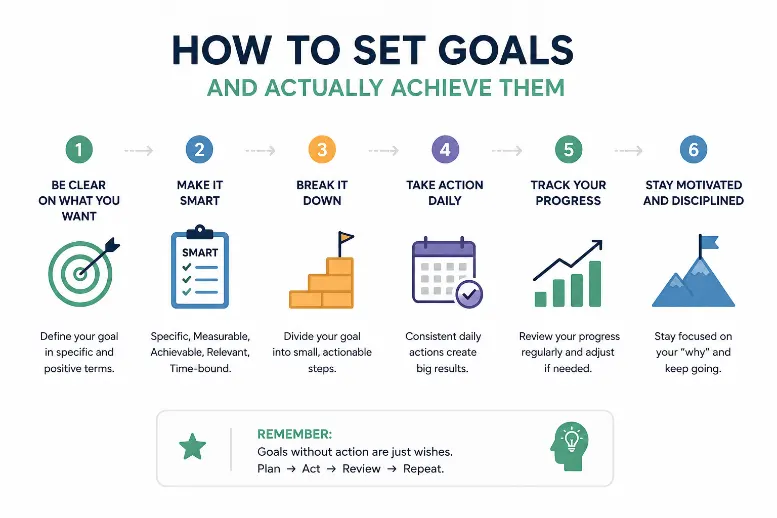
Pick one action that can be completed today: review the last month of transactions, set a small automatic transfer, list your debts and rates, or cancel an expense you no longer value. Once that action is stable, add the next one. Personal finance usually improves through a sequence of manageable decisions.
Frequently Asked Questions
What is the best way to start with how to budget money?
Start with the smallest action that produces useful information or progress. Make it measurable, put it on your calendar, and review the result before adding complexity.
How long does it take to see results?
There is no universal timeline. Results depend on your starting point, resources, consistency, and the goal itself. Focus on leading indicators you can control rather than expecting an instant outcome.
What should I do if the first approach does not work?
Treat the result as feedback. Identify the specific obstacle, change one variable, and test again. A failed tactic does not necessarily mean the overall goal is wrong.
Final Thoughts
How to Create a Monthly Budget: A Beginner’s Guide is easier when you replace vague intentions with a small system: understand the starting point, choose a realistic next action, measure what happens, and improve from there. Use the ideas above as a framework, then adapt them to your own constraints and goals.